
Roofing · Chimneys
Chimney repairs, repointing and rebuilds
Repointing, flaunching, pots, cowls, rebuilds and removals, plus the leadwork where the chimney meets the roof. The chimney is the most common leak point on any roof, so we fix it for good.

Quick answer
Why is my chimney breast damp?
A damp chimney breast is usually caused by water getting into the stack from above: failed leadwork where it meets the roof, cracked flaunching around the pots, an uncapped flue or open mortar joints. Condensation in an unventilated, disused flue is the other common cause. The fix depends on which, so it needs inspecting up close.
- Repointing
- Lime or matched mortar
- Flaunching
- Renewed & weathered
- Leadwork
- Done in-house
- Options
- Repair, rebuild or remove
Signs your chimney needs repair
- Open or crumbling mortar joints or bricks that are spalling (the face flaking off).
- Cracked flaunching or pots that have loosened or tilted.
- A stack that visibly leans.
- Damp patches or staining on the chimney breast inside or in the loft around the stack.
- Pieces of mortar or brick in the gutter or on the ground below.
Chimney work we carry out
- Repointing: raking out failed joints and repointing in a mortar that suits the brick; lime for older, softer bricks.
- Flaunching: renewing the mortar cap around the pots so water runs off the top of the stack.
- Pots, caps and cowls: replacing broken pots and capping disused flues with a ventilated cap, so they stay dry but can breathe.
- Rebuilds: taking an unstable stack down to sound brickwork and rebuilding it, with a new lead tray where needed.
- Removals: taking a disused stack down below the roofline and tiling over.
- Leadwork: aprons, step flashings and back gutters, covered in detail on our chimney leadwork page.
Removing a chimney: what to check first
Taking a stack down below the roof removes a common leak point and a maintenance cost, but check a few things first. On a listed building, removal needs listed building consent. In a conservation area, some councils use Article 4 directions to bring chimney removal under planning control. If a chimney breast has already been removed inside, the stack above may be relying on support that needs checking before anything changes. And a stack shared with a neighbour needs their agreement and may fall under the Party Wall Act.
We'll talk you through each of these before we quote.
What affects the cost of chimney repairs
The height and position of the stack, access (most chimney work needs scaffold to be done safely), the amount of brickwork and pointing, whether leadwork is included and matching bricks or pots on older houses. Doing chimney repairs and leadwork in one visit shares the scaffold cost. Free photographed inspection, written quote.
Brickwork and lead, one team
Many chimney contractors do the brickwork and leave the lead; many roofers do the reverse. We do both, so the whole stack is watertight from pot to tiles and one team is responsible for it.
Google reviews
What our customers say
Excellent job, highly recommend
I was really pleased with the excellent quality of work carried out. I would recommend the Mionlach team. They were professional, polite, timely and knew what they were doing. Thank you.
Recent work
Work like this


Straight answers
Chimney repairs: common questions
Anything else, call Damien on 07803 473995 or send us a photo on WhatsApp.
How often does a chimney need repointing?
A well-pointed chimney can go many years, but stacks are exposed on every side and weather faster than walls. Have it checked if joints are open or you're finding mortar in the gutter. We look over the stack whenever we're on your roof.
Should I use lime mortar on my chimney?
On older houses with soft bricks, usually yes. Lime lets the brickwork breathe and is softer than the brick, so the mortar weathers instead of the brick face. Hard cement pointing on soft brick can trap moisture and cause spalling.
Should a disused chimney be capped?
Yes, with a ventilated cap rather than sealing it solid. Capping keeps the rain out; ventilation at the top and bottom lets the flue dry out and prevents condensation damp on the chimney breast.
Do chimney repairs need scaffolding?
For most stacks, yes. It's the safe way to work on all four sides and it lets us do the brickwork and leadwork together. Low stacks on bungalows can sometimes be done from roof ladders and a tower.
Can you remove my chimney?
Yes. We take disused stacks down below the roofline and tile over the gap to match. We'll check listed status, conservation area rules and whether the stack is properly supported inside before we quote.
Related
Related services
-
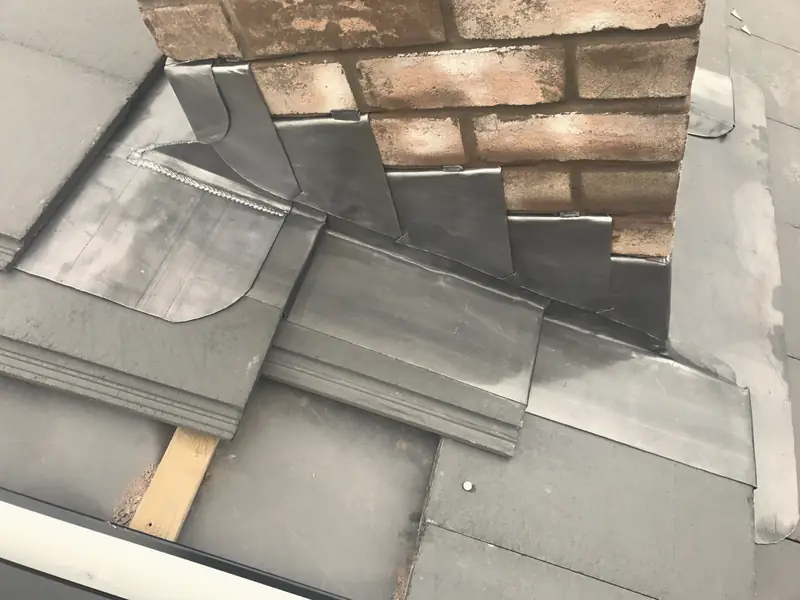
Chimney leadwork
Aprons, step flashings, soakers and back gutters rebuilt as one watertight set.
Find out more -
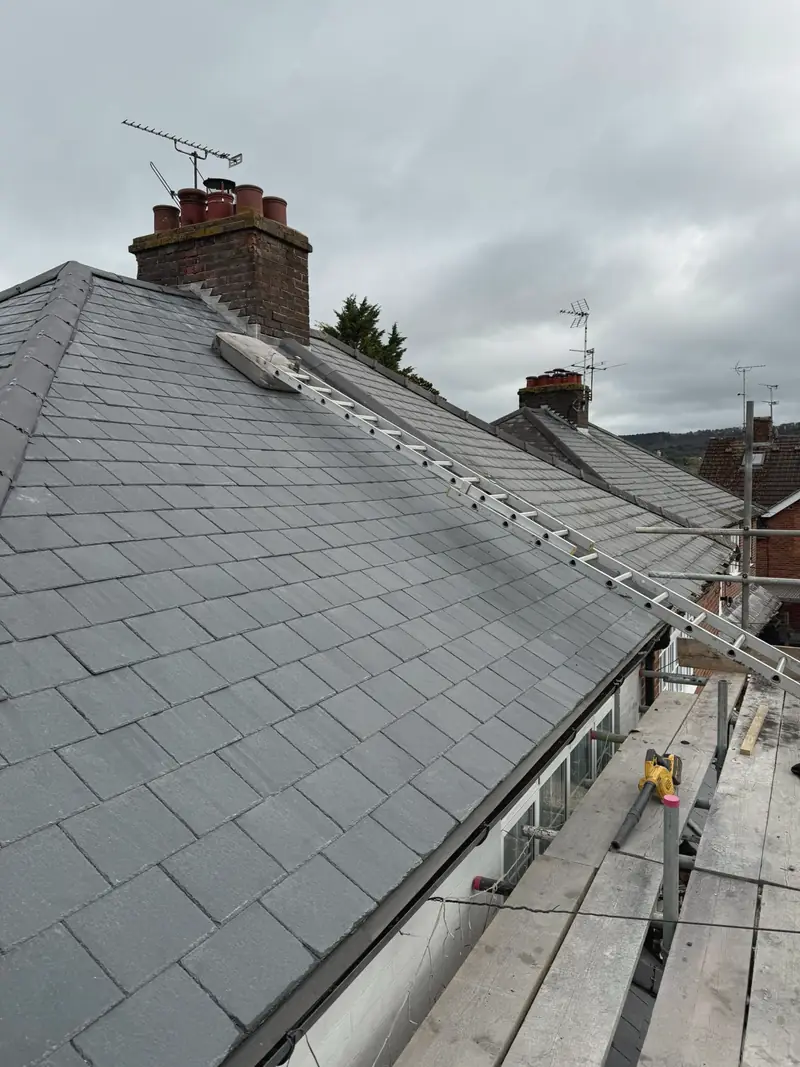
Roof repairs
Leaks, slipped tiles and storm damage traced to the real cause and fixed properly.
Find out more -
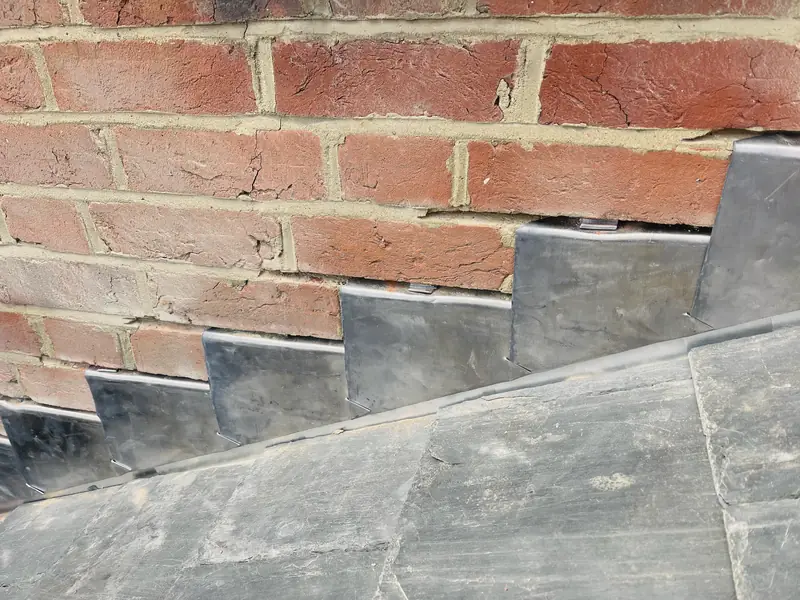
Lead flashing
Abutment, step and cover flashings in the right code, cut and fixed to last.
Find out more


Areas we cover
Chimney repairs near you
Based in Bedgrove, Aylesbury, we work across the town and the places around it. Each area page covers how roofs there are built and the planning rules that apply.
- AylesburyOur home town
- BiertonAbout 1.5 miles from Aylesbury
- Stoke MandevilleAbout 2 miles from Aylesbury
- Aston ClintonAbout 4 miles from Aylesbury
- WendoverAbout 5 miles from Aylesbury
- HaddenhamAbout 6 miles from Aylesbury
- ThameAbout 8 miles from Aylesbury
- Princes RisboroughAbout 6 miles from Aylesbury
- TringAbout 7 miles from Aylesbury
- Leighton BuzzardAbout 9 miles from Aylesbury
- High WycombeAbout 13 miles from Aylesbury
- AmershamAbout 13 miles from Aylesbury
- BeaconsfieldAbout 16 miles from Aylesbury
- CheshamAbout 12 miles from Aylesbury
- Chalfont St GilesAbout 17 miles from Aylesbury
- BuckinghamAbout 15 miles from Aylesbury
Get in touch
Get a free roofing quote
Every enquiry gets a free, detailed inspection, whatever the size of the job. Not sure what it needs? Send us a photo and we'll take a look.