
Leadwork · Valleys & gutters
Lead valleys and lead gutters
Valleys, box gutters, parapet gutters and back gutters carry more water than any other part of a roof. We strip failed linings and renew them in coded lead, sized and stepped so they last.

Quick answer
Why do lead valleys leak?
Lead valleys usually leak because the lining has split, often from pieces laid too long or because debris has built up and pushed water over the edge of the lead. Older valleys may also have been lined in lead too thin for the job. A failed valley needs its lining renewed, not a patch.
- Usual valley code
- Code 5
- Valley piece length
- Max 1.5 m
- Gutter fall
- 1:80 minimum
- Lifespan
- 80 to 100+ years
Signs of a failing valley or gutter
- Staining or damp in a ceiling corner or along the line where two roofs meet.
- Moss, leaves or silt sitting in the valley after rain.
- Splits or holes in the lead, often at the joins between pieces.
- Cut tiles or slates along the valley that have slipped or been mortared over.
- Water overflowing a box or parapet gutter in heavy rain.
How we renew a lead valley
- Strip the cut tiles or slates each side of the valley and remove the old lining.
- Check and renew the valley boards and tilting fillets, so the lead has a sound, even bed.
- Lay an underlay and line the valley in new lead, normally Code 5, in lengths of no more than 1.5 metres with generous laps.
- Re-cut and refix the tiles or slates each side, keeping a clear, open channel so leaves wash through.
- Patinate, clean up and photograph the finished valley for you.
Box gutters, parapet gutters and back gutters
Gutters that sit within the roof, rather than on the eaves, need even more care. A box gutter between two roofs or a parapet gutter behind a wall holds standing water every time it rains. It needs a minimum fall of 1:80, drips (small steps) that break it into bays short enough to move without cracking and heavier lead, usually Code 6 or 7. Outlets and chutes must be big enough for the roof area draining into them.
A back gutter sits on the uphill side of a chimney, turning water around the stack; it's covered on our chimney leadwork page. Where a valley meets a wall, we tie it into the lead flashing so there's no gap between the two.
What affects the cost
Valley and gutter prices depend on the length and width of the lining, the lead code, whether boards or timbers underneath have rotted, the roof covering either side (slate and plain tile take longer to cut in than interlocking tiles) and access. We photograph the valley during a free inspection and quote in writing.
Where lazy leadwork shows first
Valleys are where poor leadwork shows first. We regularly find linings laid in one long piece, lead too thin for the water it carries and valleys mortared shut. We line valleys to Lead Sheet Training Academy guidance, with every piece cut to a length that suits how lead actually behaves on a hot roof.
Google reviews
What our customers say
I was really pleased with the excellent quality of work carried out. I would recommend the Mionlach team. They were professional, polite, timely and knew what they were doing. Thank you.
10/10 for my stunning new slate roof. Would highly recommend Damien and his team (Martin) they were professional, knowledgable and delivered a high standard of work. From the initial quote to the finished job communication was fantastic, when the job was completed they were back to finish any snagging and were very respectful of our property. If you’re considering getting a new roof you must speak to Damien first!
Recent work
Work like this


Straight answers
Lead valleys & gutters: common questions
Anything else, call Damien on 07803 473995 or send us a photo on WhatsApp.
What is the difference between a lead valley and a GRP or dry valley?
A lead valley is lined in sheet lead formed to the roof. GRP and plastic valley troughs are pre-formed alternatives used on many newer houses. Lead lasts longer and suits period and heritage roofs; troughs can be fine on modern interlocking tile roofs. We'll recommend what suits yours.
Can a leaking lead valley be patched?
A small hole in otherwise sound lead can sometimes be lead-welded. But most valley leaks come from splits caused by overlong pieces or thin lead and patching those just moves the leak. Renewing the lining properly is usually the lasting fix.
How often should valleys and gutters be cleared?
Once a year is sensible, more often under trees. Leaves and moss in a valley hold water against the lead and can push it over the edge of the lining. We clear and check valleys whenever we're on the roof for other work.
What code of lead should a valley be?
Code 5 (2.24 mm) is a sensible default for domestic valleys and back gutters. Box and parapet gutters that hold standing water usually need Code 6 or heavier.
Do you need scaffolding to replace a lead valley?
Usually, yes, for safe access and to work both sides of the valley. On some low roofs we can work from roof ladders and a tower. We'll confirm at the inspection and include access in the quote.
Related
Related services
-
Lead flashing
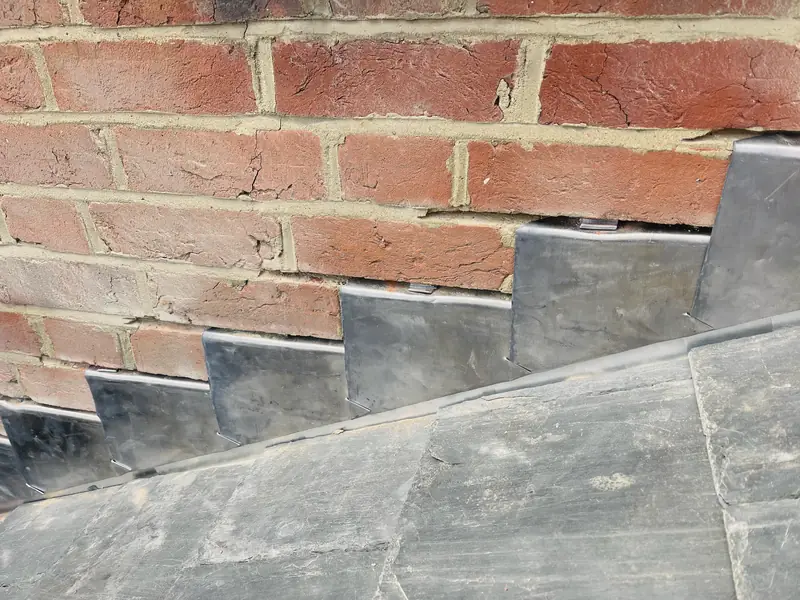
Abutment, step and cover flashings in the right code, cut and fixed to last.
Find out more -
Chimney leadwork
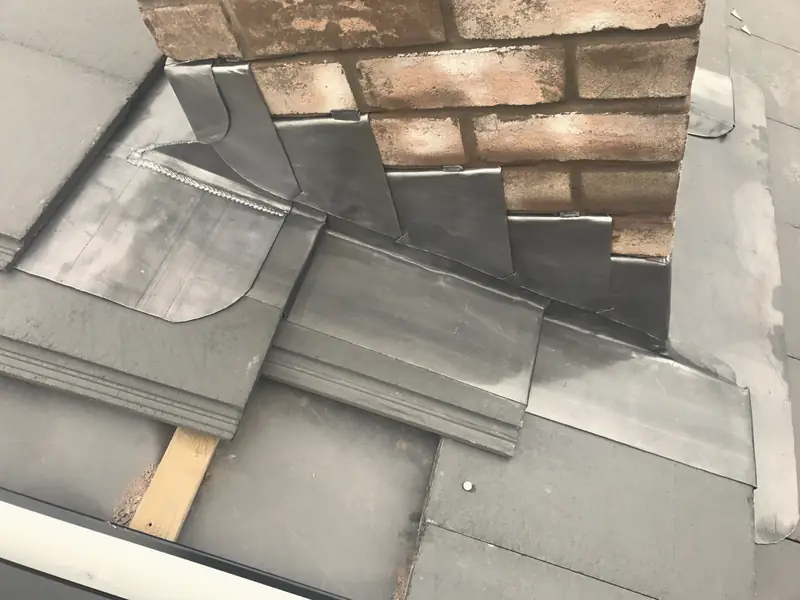
Aprons, step flashings, soakers and back gutters rebuilt as one watertight set.
Find out more -
Heritage & church leadwork
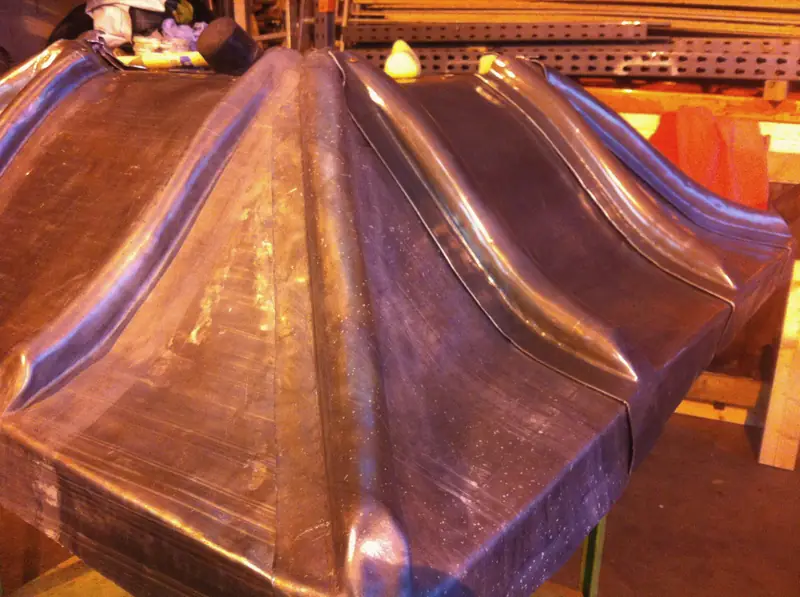
Like-for-like lead for listed buildings, period homes and church roofs.
Find out more


Areas we cover
Lead valleys & gutters near you
Based in Bedgrove, Aylesbury, we work across the town and the places around it. Each area page covers how roofs there are built and the planning rules that apply.
- AylesburyOur home town
- BiertonAbout 1.5 miles from Aylesbury
- Stoke MandevilleAbout 2 miles from Aylesbury
- Aston ClintonAbout 4 miles from Aylesbury
- WendoverAbout 5 miles from Aylesbury
- HaddenhamAbout 6 miles from Aylesbury
- ThameAbout 8 miles from Aylesbury
- Princes RisboroughAbout 6 miles from Aylesbury
- TringAbout 7 miles from Aylesbury
- Leighton BuzzardAbout 9 miles from Aylesbury
- High WycombeAbout 13 miles from Aylesbury
- AmershamAbout 13 miles from Aylesbury
- BeaconsfieldAbout 16 miles from Aylesbury
- CheshamAbout 12 miles from Aylesbury
- Chalfont St GilesAbout 17 miles from Aylesbury
- BuckinghamAbout 15 miles from Aylesbury
Get in touch
Get a free leadwork quote
Every enquiry gets a free, detailed inspection, whatever the size of the job. Not sure what it needs? Send us a photo and we'll take a look.